We visit a great many homes, and the ones that feel genuinely safe are rarely the ones with the most technology. They are the homes where a few simple habits have become automatic: the last person to bed checks the doors, the kitchen extractor is cleaned without being asked, the children know exactly where to stand outside if the alarm ever sounds.
Safety and security sit in the same conversation because they answer the same question — what would we like to have already done if something went wrong tonight? This guide walks through the habits we recommend, in the order that makes sense for most households, starting with detection and moving outward to routines, equipment and teaching.
Detection first, and placed thoughtfully
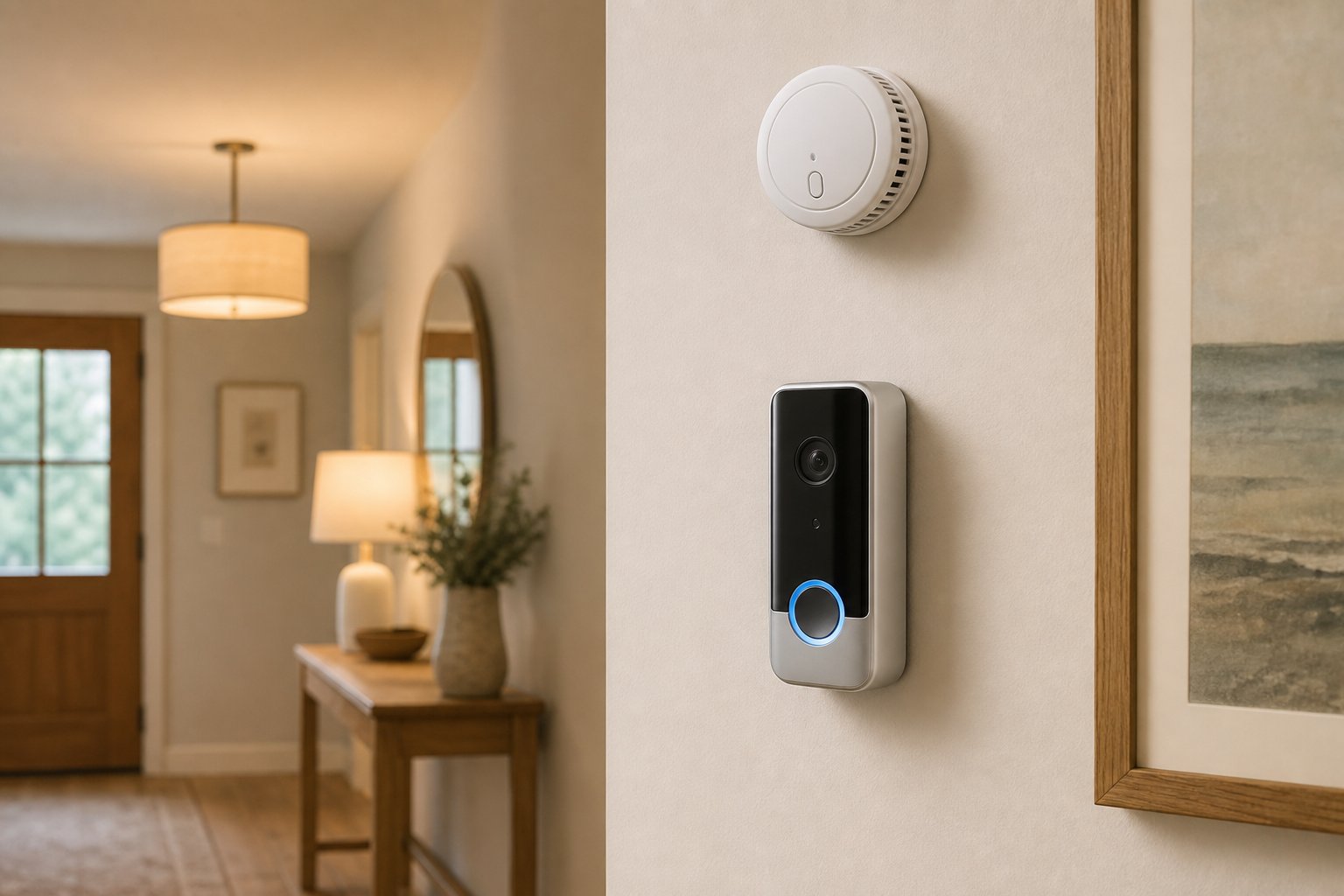
Smoke and heat alarms are the foundation of everything else. Place them where a fire is likely to start and where you sleep, and think about the route a person would take to get out. A single device in a hallway is a start, but rooms where appliances run, utility spaces and each sleeping area deserve consideration too.
Then keep them working. Alarms should be tested regularly, cleaned of dust, and replaced before they reach the end of their stated service life — most people only discover that detail when they need one. If a device chirps persistently, treat that as a message rather than an annoyance, and never remove a battery to get some peace.
An escape plan everyone has walked through
A plan on paper is not a plan. A plan that everyone in the house has physically walked, in the dark, at least once — that is a plan. Identify two ways out of each bedroom where possible, agree a meeting place that is far enough from the building to be safe, and make sure that when you close doors behind you, that becomes a habit rather than an afterthought.
It helps to practise at different hours. A household that knows what to do at noon may still be confused at three in the morning. Younger children can be taught to shout, stay low and go to the meeting point without stopping for belongings. Older relatives may benefit from a clearer route, telephone reminders or a bed positioned on the ground floor if that is realistic for your home.
Protection is not a purchase. It is a set of small, boring, repeated decisions that become instincts.
The kitchen and utility areas
Most house fires we hear about begin with cooking, so the kitchen deserves the most attention. Keep the area around the hob clear of cloth, paper and packaging, never leave cooking unattended, and turn pan handles inward so they cannot be knocked. In the utility space, keep anything that generates heat away from stored materials, and let appliances that need ventilation have it.
Extractor fans, tumble dryer filters and the area behind appliances all collect dust and lint, which is why they belong on a maintenance list rather than a spring-cleaning one. A fire blanket kept near the kitchen, in a spot you can reach without crossing the hob, is a modest purchase that many households never consider.
Home security, seen from the street inward
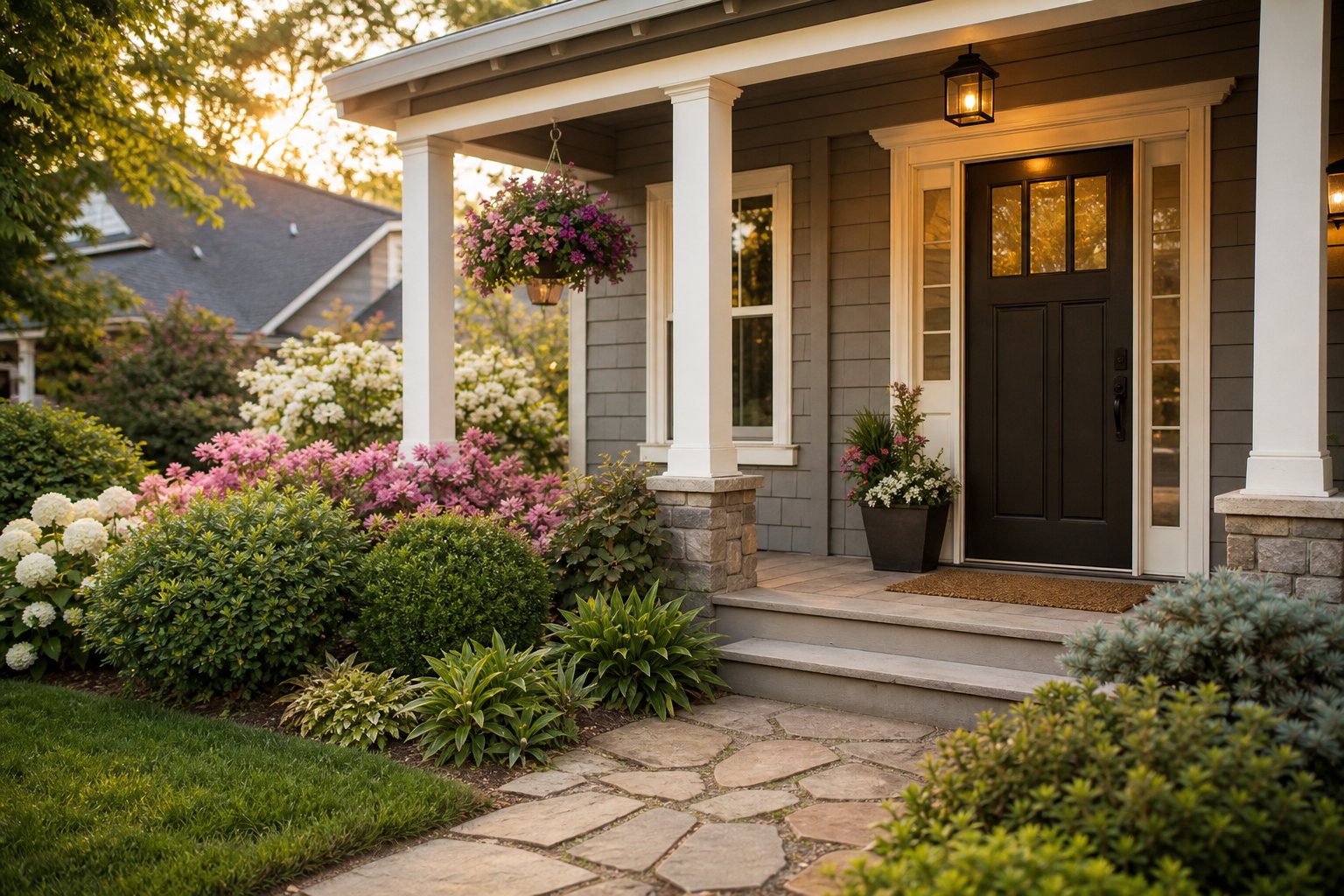
Burglary is rarely complicated. Opportunities are simple: an unlocked window, a ladder left against the wall, a parcel on the doorstep confirming the house is empty. Walk around your own home as though you were imagining how you would get in, and then remove the easiest answers. Locks that actually engage, gates that close behind visitors, and lighting that removes dark corners do much of the work.
Cameras and smart doorbells are genuinely useful, but place them with thought. Point them at your own entrances and the areas you are responsible for, keep the surrounding area clear of obstructions, and let neighbours know if a device will overlook shared space. Privacy is part of good security, not something that competes with it.
Routines that work while you sleep
The final check of the evening is one of the most effective habits a household can keep, and it takes about a minute. Doors locked, windows closed, oven off, candles out, appliances that are not needed switched off at the wall, and keys in a place everyone knows. When this is done by whoever is last up, it never becomes one person's burden.
When you travel, change the pattern rather than announcing the absence. Pause deliveries, arrange for post to be collected, leave a light or two on a timer, and ask a neighbour to put out and bring in the bins. Share your plans with one trusted person and check that the alarm system is working before you leave, not after.
Teaching children and supporting older family members
Children are far more capable than we tend to assume. Show them how the alarm sounds, what it means, and what they are expected to do. Let them press the test button with you, and keep the conversation light so that the plan feels familiar rather than frightening. Never link safety equipment to punishment, and never suggest that the alarm is something to ignore.
For older relatives, review the practicalities honestly: night lighting along the route to the door, a torch kept beside the bed, a telephone within reach and a plan that accounts for limited mobility. If hearing is a factor, alarms with visual or vibrating alerts are worth exploring rather than hoping for the best.
Keeping the plan alive
Households change. A spare room becomes a nursery, a parent moves in, a workshop moves into the garage. Whenever the shape of a home changes, the safety plan should be revisited, even briefly. A calm walk through the house with the family, a quick test of what is installed, and a note of anything that needs repair will keep the whole system honest.
If you would like help making that review thorough, our Fire Safety service covers detection, escape planning and inspections, while Home Security Services looks after cameras, locks, lighting and monitoring. Both begin with a conversation, not a quote, and both end with written guidance you can share with everyone who lives in or visits your home.
A one-minute evening routine
- Doors locked and windows closed, including the garage and side gates.
- Oven, hob and any open flames checked and turned off.
- Candles, heaters and chargers switched off or safely positioned.
- Keys, torch and phone in their known places.
- Escape route clear of shoes, toys and furniture.